• Address: 367 Atlanta St SE

Yearly Archives: 2025

Q4 Tax Moves for High-Net-Worth Individuals: Advanced Strategies Beyond the Standard Deduction

For high-net-worth individuals, the final quarter of the year is more than just a countdown to the holidays; it’s a critical window for strategic tax planning. Your tax situation is complex and goes far beyond the standard deductions that apply to most taxpayers. At Lightening the Load, we understand that your wealth is unique, and we serve as your steadfast partners, accompanying you through the complexities of advanced tax strategies. 

A recent tax bill has introduced significant changes that provide both new opportunities and new rules to navigate. Here’s what you need to know as you plan for year-end. 

New Tax Bill Credits and Incentives to Leverage 

The recent tax bill brings a new level of certainty to tax planning for high-net-worth individuals. While much of the legislation focuses on business, there are significant provisions that directly impact your personal tax situation. 

  • Estate and Gift Tax Exemptions: The new tax bill, signed into law on July 4, 2025, provides much-needed clarity on estate and gift tax planning. It permanently extends and enhances the federal estate, gift, and generation-skipping transfer (GST) tax exemptions. The exemption amount, which was previously set to revert to a much lower level, is now permanently set at $15 million per individual (and $30 million for married couples) beginning in 2026. This removes the urgency that many felt to make large gifts before the end of the year and provides a stable foundation for long-term estate planning. 
  • Expanded Annual Gift Exclusion: The new law increases the annual gift tax exclusion to $19,000 per person in 2025 (up from $18,000). This allows you to give away more each year without tapping into your lifetime exemption, a powerful tool for transferring wealth and managing your taxable estate over time. 
  • SALT Deduction Cap: For those who itemize, the cap on the State and Local Tax (SALT) deduction has increased from $10,000 to $40,000 for individuals, with a gradual phase-out for those with modified adjusted gross income over $500,000. While this change is temporary, lasting through 2029, it provides an immediate opportunity to deduct more of your state and local taxes, reducing your overall tax liability. 
  • Changes to Other Credits and Deductions: The tax bill also includes other important changes that may affect your personal tax strategy. This includes provisions like a new deduction for tips and overtime pay, and a temporary deduction for interest on new car loans. These changes can provide additional avenues for tax savings, and a full review of your tax situation is essential to identify which ones apply to you. 

Your tax situation is a reflection of your unique financial landscape, and the strategies to manage it should be just as tailored. Navigating the nuances of new tax legislation and implementing advanced planning techniques requires a partner with deep knowledge and a forward-looking approach. 

Each situation is unique. Your tax strategy should be too. Let us help you navigate the complexities of high-net-worth tax planning. 

Let us lighten your load. 
Maximizing End-of-Year Business Deductions: A Checklist for Complex Operations

As the year draws to a close, business owners often find themselves navigating a flurry of activity. For those with complex operations—be it multiple entities, long-term projects, or significant assets—this period is not just about finishing strong; it’s a crucial opportunity for strategic tax planning. At Lightening the Load, we see this as your chance to optimize your business’s tax position, and we’re here to be your basecamp for the journey. 

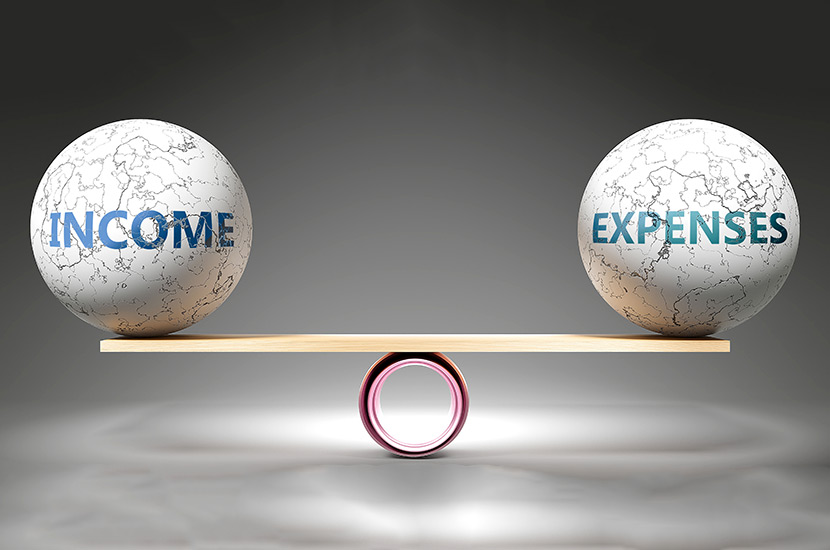
The Power of Timing: Income vs. Expenses 

At the heart of end-of-year tax strategy is the concept of timing. By carefully managing when you recognize income and when you incur expenses, you can significantly influence your business’s taxable income for the year. This isn’t about manipulating records; it’s about making smart decisions within the tax framework. 

For many businesses, the goal is to accelerate deductions and, where possible, defer income. For example, a business operating on a cash basis can prepay certain expenses like insurance premiums or office supplies before December 31st to claim the deduction this year. Similarly, an accrual-based business can expedite the billing process for expenses to ensure they are recorded in the current period. 

Your End-of-Year Tax Checklist 

To help you get started, here is a checklist of key areas to review before the year ends: 

  • Accelerate Equipment Purchases: If your business needs new machinery, technology, or vehicles, now is the time to act. By placing a qualifying asset in service by year-end, you may be able to take advantage of significant deductions through Section 179 expensing or bonus depreciation, which can often allow you to deduct a large portion, or even the full cost, in the year of purchase. 
  • Review and Prepay Expenses: Look for opportunities to prepay expenses that are deductible in the current year. This could include things like rent (within a certain timeframe), professional fees, or subscriptions. 
  • Manage Inventory: Review your current inventory levels. Are there obsolete or damaged goods that can be written off? Properly accounting for this can reduce your taxable income. 
  • Plan for Bonuses and Contributions: If you plan to pay employee bonuses, ensure they are approved and communicated by year-end to be deductible for the current tax year. The same timing considerations apply to contributions to employee retirement plans. 
  • Write Off Bad Debts: Now is the time to review your accounts receivable. If you have any uncollectible accounts, you can formally write them off to claim a deduction. 
  • Evaluate Repairs and Maintenance: Review large maintenance projects. Proper classification of these costs—as either deductible repairs or capitalized improvements—is critical. 

Beyond the Basics: For Complex Operations 

Complex businesses often have unique tax considerations. For example, companies with multiple entities may need to carefully plan intercompany transactions to ensure they are handled correctly. Businesses with long-term contracts must adhere to specific revenue recognition rules. And for those with international operations, the end of the year is a crucial time to review transfer pricing policies and other global tax compliance issues. 

These complexities underscore the value of a trusted partner. A thorough, end-of-year tax planning session is a chance to move beyond simple compliance and develop a strategy that supports your business’s long-term goals. 

Don’t leave money on the table. Schedule an end-of-year tax planning session with Lightening The Load to ensure your business is positioned for success. 

Let us lighten your load. 

Beyond the Basics: Advanced Tax Planning for Individuals with Complex Tax Situations

For individuals and couples with varied and substantial taxable income streams, navigating tax season involves far more than simply gathering documents in April. A truly effective approach requires year-round tax planning that goes “beyond the basics.” This proactive strategy is essential for managing tax obligations and optimizing your tax position throughout the year.

At Lightening the Load, we understand that complex tax situations demand specialized expertise and continuous attention. This blog post explores why proactive planning is vital and prompts you to consider if you are working with the right tax professional for your unique needs.

Why Complex Tax Situations Demand Year-Round Planning

For those whose taxable income comes from diverse sources, such as business activities, rental properties, or other specific taxable events, a reactive approach to taxes can lead to missed opportunities and unexpected tax bills. Year-round tax planning helps you:

  1. Anticipate Taxable Income Changes: When income fluctuates from various taxable activities, regular reviews help you project your overall taxable income and adjust your estimated tax payments accordingly, preventing underpayment penalties.
  2. Identify Nuanced Deductions and Credits: Your tax situation likely involves more than standard deductions. Year-round planning allows time to identify and properly document complex deductions and credits that may be specific to your income-generating activities or property ownership.
  3. Understand Tax Impact of Transactions: Before you engage in significant taxable activities (like the sale of property, or changes in how a business is structured for tax purposes), proactive planning helps you understand the tax consequences before they occur. This allows for strategic timing or structuring to optimize your tax position.
  4. Ensure Compliance for Varied Income Types: Different types of taxable income have different reporting requirements. Continuous planning helps ensure you are correctly documenting and preparing for the necessary tax forms for all your taxable income streams.
  5. Mitigate Potential Penalties: Proactive management helps reduce the risk of penalties related to underpayment of estimated taxes or inaccuracies due to complex reporting.

Are You Working With the Right Tax Professional?

The complexities arising from diverse taxable income streams often require a tax professional who provides more than just annual tax preparation. Consider if your current tax professional offers:

  • Proactive Consultations: Do they initiate discussions about your tax situation throughout the year, not just around tax season?
  • Expertise in Specific Tax Areas: Do they have deep knowledge of the tax laws related to your particular types of income, such as those from rental properties, business activities, or specific taxable events?
  • Strategic Guidance: Do they help you analyze the tax implications of your future plans and suggest strategies to manage your overall tax liability?
  • IRS Representation Rights: Should a complex tax matter arise, are they qualified to represent you directly before the IRS?

Tax Planning: A Continuous Journey

For individuals and couples with complex tax situations, tax planning is not a one-time event but a continuous journey. Engaging with a dedicated tax professional throughout the year ensures you are always informed, compliant, and positioned to manage your tax obligations effectively.

At Lightening the Load, we are your steadfast partners, accompanying you through every tax season. Our team offers personalized advice tailored to your unique circumstances and complex tax needs.

Let us lighten your load.

From Sole Prop to LLC (or Beyond): What Changing Your Business Structure Means for Your Taxes

As your small business grows and evolves, the initial structure you chose might no longer be the most tax-efficient option. Moving from a sole proprietorship to a Limited Liability Company (LLC) or even electing S corporation (S Corp) status can have significant tax implications that impact how your business income is taxed and what forms you need to file.

At Lightening the Load, we guide small business owners through every tax consideration. This blog post will clarify how changing your business structure affects your tax preparation, highlighting the differences in tax calculation and potential outcomes.

Understanding Default Tax Classifications

When you start a business, the IRS automatically assigns a default tax classification based on your legal structure:

  • Sole Proprietorship: For tax purposes, your business income and expenses are reported directly on your personal tax return (Form 1040, Schedule C). You pay self-employment taxes (Social Security and Medicare) on your entire net taxable income.
  • Single-Member LLC: By default, a single-member LLC is taxed as a sole proprietorship. All business taxable income passes through to your personal tax return, and you pay self-employment taxes on the net taxable income.
  • Multi-Member LLC: By default, a multi-member LLC is taxed as a partnership. Each owner reports their share of the business’s taxable income or loss on their personal tax return (Form 1040, Schedule K-1), and generally pays self-employment taxes on that share.
  • Corporation (C Corp): A C corporation is taxed as a separate entity. The corporation pays income tax on its taxable income. When the corporation distributes earnings to owners, those owners then pay income tax on those distributions (this is often referred to as “double taxation” for tax purposes).

Electing a Different Tax Classification: The Tax Implications

One of the most common reasons businesses consider changing their structure or tax classification is to optimize their tax position.

  • LLC Electing S Corporation Status:
    • How it Works: An LLC can elect to be taxed as an S corporation by filing Form 2553 with the IRS. This changes how the business is taxed, not its legal structure.
    • Tax Impact: As an S corporation, the owners who work in the business must receive a “reasonable salary” (subject to payroll taxes). Any remaining taxable income can be distributed to owners as distributions, which are generally not subject to self-employment taxes. This can lead to potential self-employment tax savings on a portion of the business’s taxable income.
    • Filing Requirements: An S corporation must file its own tax return (Form 1120-S) in addition to owners reporting their share of income on their personal tax returns.
  • LLC or Partnership Electing C Corporation Status:
    • How it Works: An LLC or partnership can elect to be taxed as a C corporation by filing Form 8832 with the IRS.
    • Tax Impact: The business itself becomes a separate taxpaying entity, paying corporate income tax on its taxable income. Owners pay income tax on distributions received from the corporation, which can result in a different overall tax outcome compared to pass-through entities.
    • Filing Requirements: The business files Form 1120, U.S. Corporation Income Tax Return.

Common Tax Surprises When Changing Structures

Changing your business’s tax classification is not always straightforward and can lead to unexpected tax outcomes if not managed properly:

  • Payroll Tax Obligations: If you elect S corporation status, you’ll need to set up payroll and comply with payroll tax requirements for owner-employees.
  • Reasonable Salary Rules: For S corporations, the IRS requires owner-employees to take a “reasonable salary.” If the salary is too low, the IRS can reclassify distributions as wages, triggering additional payroll taxes.
  • Increased Compliance: More complex structures often come with increased tax compliance requirements, including more detailed record-keeping and additional forms.
  • State-Specific Rules: Some states may not recognize federal S corporation status or may impose different tax rules on certain entity types.

Navigating Your Business Structure Changes

Changing your business’s tax classification is a significant decision with direct tax implications. It requires careful consideration of your business’s taxable income, expenses, and long-term goals.

At Lightening the Load, we are your steadfast partners, accompanying you through every tax season and helping you navigate complex tax matters. Let us help your business understand what changing your business structure means for your taxes.

Let us lighten your load.

What Is an Enrolled Agent—and How Can They Help With Your Taxes?

When you’re looking for help with your taxes, your first thought might be a Certified Public Accountant (CPA). While CPAs are certainly valuable professionals, there’s another highly qualified tax expert you should know about: the Enrolled Agent (EA). Enrolled Agents specialize solely in federal tax law and can provide comprehensive tax assistance.

At Lightening the Load, we believe in connecting individuals and couples with the right tax guidance. This blog post will explain what an Enrolled Agent is and how they can be your steadfast partner in navigating the tax landscape.

What is an Enrolled Agent (EA)?

An Enrolled Agent is a tax practitioner who is federally licensed by the U.S. Department of the Treasury. This means they are authorized to practice before the Internal Revenue Service (IRS) and represent taxpayers in all 50 states.

To become an Enrolled Agent, individuals must pass a comprehensive three-part IRS examination (known as the Special Enrollment Examination, or SEE) that covers all aspects of federal tax law for individuals and businesses. They must also undergo a suitability check and complete ongoing continuing education requirements to maintain their active license.

How Can an Enrolled Agent Help With Your Taxes?

Enrolled Agents are uniquely qualified to assist with a wide range of federal tax matters:

  1. Tax Preparation: EAs are experts in preparing all types of federal tax returns for individuals, couples, and various business structures. They ensure your return is accurate and compliant with current tax laws, identifying all eligible deductions and credits to optimize your tax position.
  2. Tax Advice: They can provide clear and knowledgeable advice on complex federal tax questions. Whether you’re wondering about the tax implications of certain income, understanding new tax laws, or planning for a significant tax event, an EA can offer tailored guidance.
  3. IRS Representation: This is a core strength of Enrolled Agents. They have unlimited rights to represent taxpayers before the IRS on any tax matter, including:
    • Audits: If the IRS questions your tax return, an EA can represent you during the audit process, helping to resolve issues and present your case.
    • Collections: If you owe back taxes, an EA can negotiate with the IRS on your behalf to arrange payment plans, offers in compromise, or other resolution options.
    • Appeals: If you disagree with an IRS decision, an EA can represent you through the IRS appeals process.
    • Crucially, an EA can represent you even if they did not prepare your original tax return, offering flexible and expert support when you need it most.

Enrolled Agent vs. CPA: A Tax-Focused Look

While both EAs and CPAs are qualified tax professionals, their primary focus differs:

  • Enrolled Agents (EAs): Their expertise is strictly in federal tax law. Their federal license grants them unlimited representation rights before the IRS. They are specialists in all federal tax matters.
  • Certified Public Accountants (CPAs): CPAs are licensed by individual states and have a broader scope that includes general accounting, auditing, and state tax compliance, in addition to federal tax preparation. Their rights to represent clients before the IRS can sometimes be more limited than an EA’s, particularly if they did not prepare the original return.

Choosing the Right Tax Professional

For individuals and couples seeking expert guidance specifically on federal tax matters, or if you anticipate needing strong representation before the IRS, an Enrolled Agent is an excellent choice due to their specialized federal tax expertise and unlimited practice rights.

At Lightening the Load, our team includes professionals with diverse tax expertise, ready to provide the personalized advice that’s tailored to your unique circumstances. Together, we’ll conquer the heights of tax season.

Let us lighten your load.