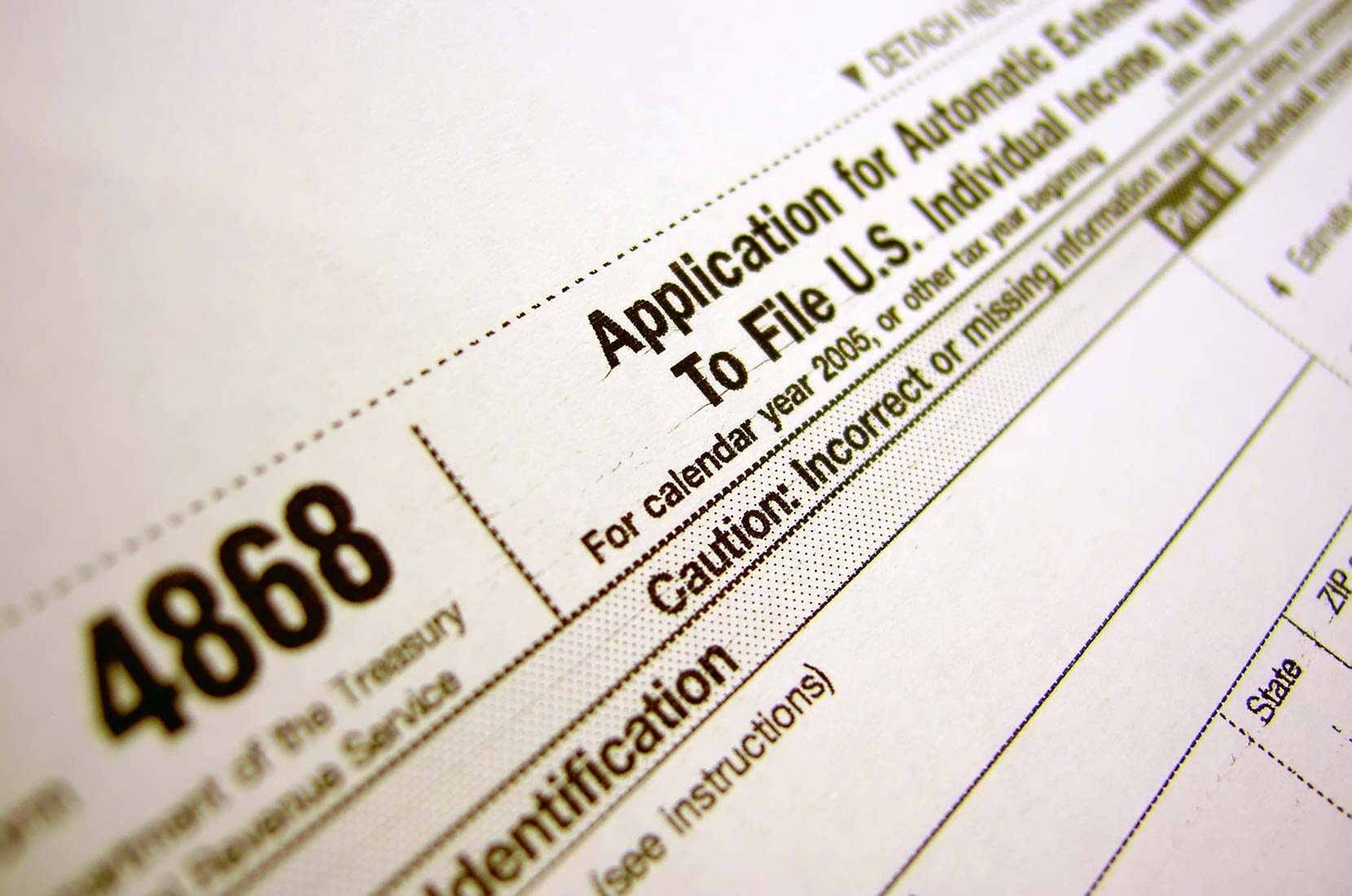
As the April deadline approaches, the “tax trail” can get a bit crowded. Whether you’re waiting on a final document, dealing with a major life change, or simply need more breathing room to ensure every detail is accurate, a tax extension might be on your mind.
At Lightening The Load (LTL), we view an extension not as a delay, but as a strategic pause. It’s a tool that allows us to navigate your specific landscape with total precision. But before you decide to take the detour, it’s important to understand the “rules of the road.”
What an Extension IS
Think of an extension as a filing hall pass. By submitting a request by the April deadline, you receive:
- Six Extra Months: This moves your paperwork deadline from mid-April to mid-October.
- A Safety Net: It protects you from “late filing” penalties, which can be significantly higher than other types of penalties.
- Time for Accuracy: If you are waiting on K-1s from investments or corrected forms from employers, an extension ensures we aren’t rushing into an error that requires an amendment later.
What an Extension IS NOT
This is where the trail gets a bit steep. It is a common misconception that an extension gives you more time to pay. It does not.
- It is NOT an extension to pay: The IRS requires you to pay any tax you owe by the original April deadline.
- Interest still accrues: If you owe a balance and don’t pay it by April, the IRS will charge interest on that amount until it’s paid, even if you have a valid extension to file the paperwork.
- Not a “Red Flag”: Some worry that filing an extension increases the chance of a review. In reality, filing an extension is a standard procedure used by millions of taxpayers every year.
How to Navigate an Extension Like a Pro
If we decide together that an extension is the right move for your journey, here is how we handle it:
- Estimate the Total: We look at your income and documents on hand to estimate what your total tax might be.
- Pay the “Basecamp” Amount: You should pay as much of that estimated total as possible by the April deadline to minimize interest.
- Finalize the Paperwork: We spend the following months gathering every last detail to ensure your final return is a masterpiece of accuracy.
The Bottom Line
An extension is a powerful tool when used correctly. It’s about choosing accuracy over urgency. If your personal situation has evolved this year or your “tax backpack” feels a bit too heavy to finish by April, let’s talk. We’ll help you determine if an extension is the best path forward so you can move toward October with total confidence.
Let us lighten your load.